


Acute Kidney Injury (AKI)
“(AKI is a) tremendous (clinical) opportunity…nothing we can do… also huge in transplantation.”
Past President of the American Academy of Nephrology
Major surgery, trauma, and cardiovascular events can cause blood cells to aggregate in the renal capillaries, reducing blood flow, nutrient exchange and filtration and causing an immune response in what is called ischemia reperfusion acute kidney injury. AKI can permanently damage the kidneys leading to dialysis or mortality. AKI frequently effects transplanted kidneys and patients in the intensive care unit.
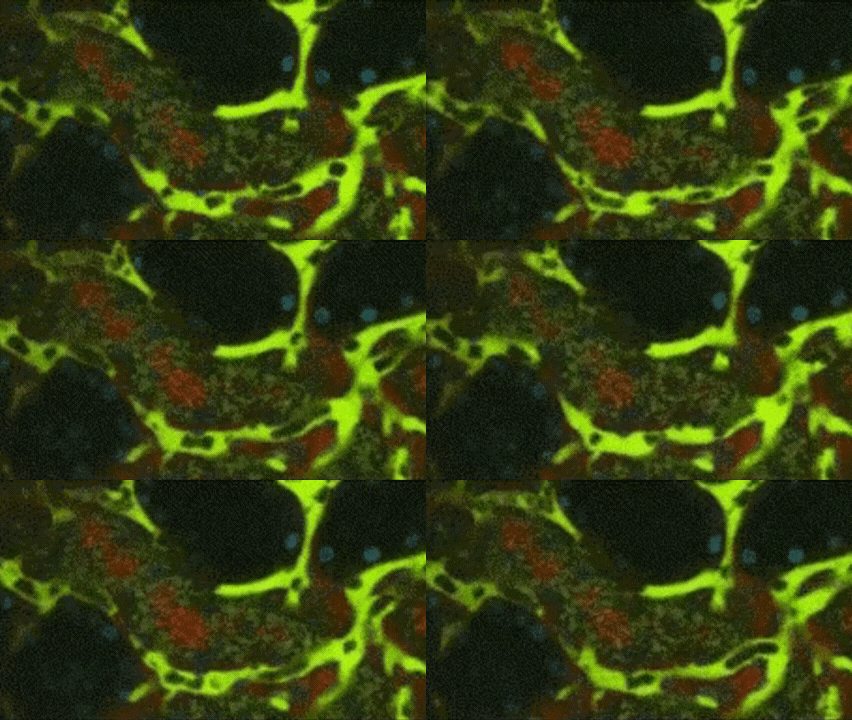
Renal capillaries with reduced blood flow caused by AKI (1)
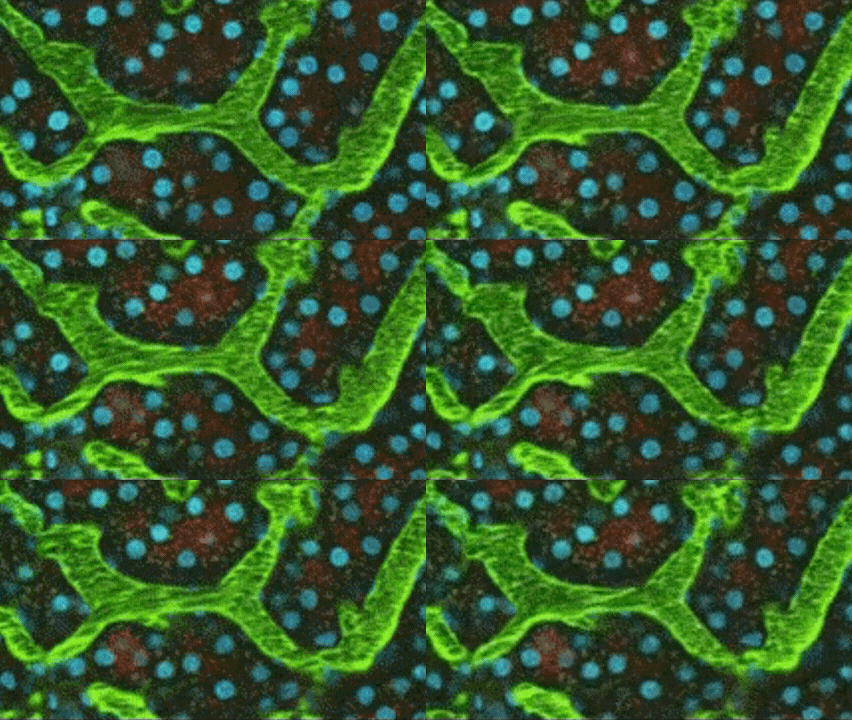
Renal capillaries with normal blood flow
800,000 people in the U.S. develop AKI every year.
Our Device System to Treat Acute Kidney Injury (AKI)
RESTARI's patented device system restores blood flow in kidneys with AKI by delivering carefully controlled fluid pulses via a specialized venous catheter during a single brief surgical procedure. This is intended to stop and reverse AKI, restoring kidney function (2).
Human Kidney Perfusion Flow Before and After Treatment With RESTARI's Device

Our Status
RESTARI's AKI technology is in late-stage clinical development and is not approved for use by any regulatory agency.
RESTARI's AKI technology may be the first intervention capable of treating patients diagnosed with acute kidney injury.
Bibliography
(1)1.Hydrodynamic Isotonic Fluid Delivery Ameliorates Moderate-to-Severe Ischemia-Reperfusion Injury in Rat Kidneys. Bacallao, Collet, Corridon, Molitoris, et al. J Am Soc Nephrol 28:2081-2092, 2017. (2)Extravasation of Blood and Blood Toxicity Drives Tubular Injury from RBC Trapping in Ischemic AKI. McLarnon, O'Connor, et al. Function Journal of the American Physiological Society 2023, 4(6):zqad050